
In the vast landscape of quality control and process improvement, Lean’s Seven Wastes stand as formidable adversaries. Picture them as dragons threatening the efficiency and smooth flow of any process. In this modern odyssey, we will embark on a journey to understand these wastes in a style reminiscent of Steinbeck, yet tailored for the keen minds just about everyone.
Unveiling the Dragons: Introduction to Lean’s Seven Wastes
Lean’s Seven Wastes are the unseen foes lurking in the shadows of our processes. They include overproduction, waiting, transportation, unnecessary inventory, motion, defects, and over-processing. In our journey, we’ll illuminate each waste, understanding how they hinder the pursuit of excellence in quality control and process improvement.
Overproduction: The Greedy Dragon
Imagine a bakery making more bread than customers can buy. Overproduction, the greedy dragon, leads to excess inventory, wasted resources, and increased costs. By taming this dragon, we ensure that our production aligns with demand, reducing waste and promoting efficiency.
Waiting: The Silent Assassin
Waiting, the silent assassin, is like a thief stealing precious time from our processes. Whether it’s waiting for materials, information, or approval, it slows down the entire system. Identifying and eliminating waiting times is crucial for keeping the process agile and responsive.
Transportation: The Traveling Troublemaker
Transportation, the traveling troublemaker, adds unnecessary steps to our processes. Imagine a factory moving materials between different buildings when a streamlined layout could prevent this waste. By minimizing transportation, we cut down on time, costs, and the risk of defects.
Unnecessary Inventory: The Hoarding Horror
Unnecessary inventory, the hoarding horror, fills our spaces with excess goods waiting for their turn. It ties up capital and space, making it harder to adapt to changes in demand. Controlling this dragon ensures a lean and agile operation, ready to respond to market shifts.
Motion: The Restless Beast
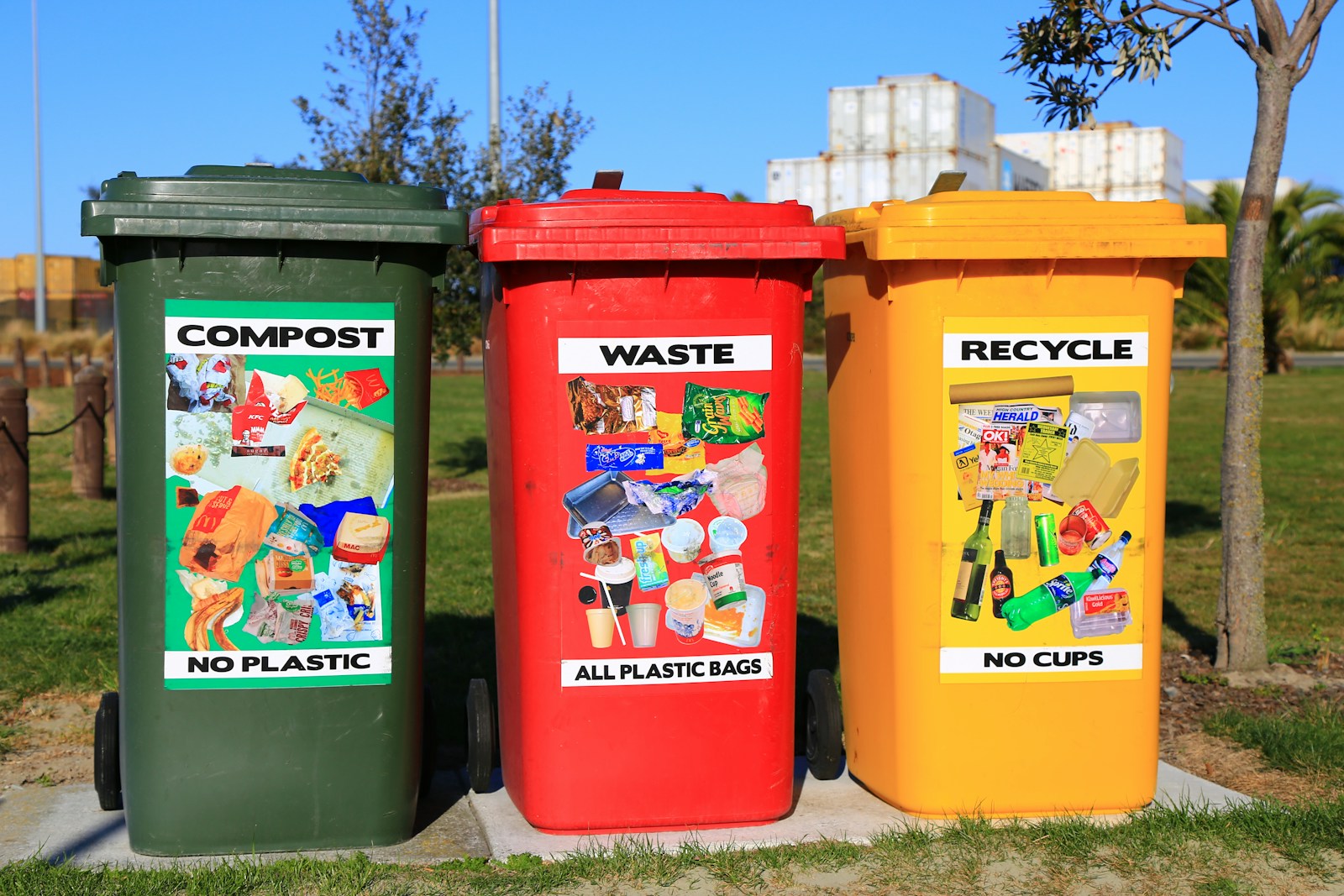
Motion, the restless beast, represents unnecessary movement within a process. Picture employees constantly reaching, bending, or searching for tools. Streamlining workspaces and processes minimizes motion, reducing the risk of injuries, and increasing overall efficiency.
Defects: The Sneaky Saboteur
Defects, the sneaky saboteur, introduce errors and rework into our processes. Whether it’s a typo in a document or a flaw in a product, defects cost time and money. By addressing the root causes, we ensure that our processes deliver quality outputs consistently.
Over-processing: The Overachieving Ogre
Over-processing, the overachieving ogre, involves doing more than necessary to meet customer requirements. It could be excessive paperwork, additional features, or unnecessary steps in a process. By trimming the fat and focusing on essentials, we enhance efficiency and reduce waste.
Slaying the Dragons: Strategies for Waste Elimination
Now that we’ve met the dragons, it’s time to talk about slaying them. Lean principles, like a knight’s sword, guide us in this quest. Techniques such as 5S (Sort, Set in order, Shine, Standardize, Sustain), continuous improvement, and visual management become our trusty tools. These strategies empower us to face each waste head-on, turning our processes into sleek, agile machines.
Continuous Improvement: The Knight’s Code
Continuous improvement, the knight’s code, emphasizes that every day is an opportunity to do better. Small, incremental changes lead to significant improvements over time. By fostering a culture of continuous improvement, we ensure that our processes evolve and adapt to changing needs.
The Hero’s Journey: Implementing Lean Principles
Implementing Lean principles is like the hero’s journey. It involves recognizing the need for change, gathering a team of allies, and embarking on a quest for process perfection. As heroes, we learn to analyze, plan, and execute strategies to conquer the Seven Wastes, making our processes resilient and efficient.
Building a Lean Culture: The Fellowship of Excellence
Building a Lean culture is akin to forming a fellowship. It requires teamwork, shared values, and a commitment to excellence. Each member plays a crucial role in identifying and eliminating wastes, ensuring that the entire organization moves towards a leaner and more efficient future.
The Golden Rule: Key Takeaways on Lean’s Seven Wastes
In our expedition through Lean’s Seven Wastes, we’ve discovered their characteristics, understood their impact, and learned how to combat them. The golden rule is to approach processes with a critical eye, identifying and eliminating waste to achieve operational excellence.
Key Takeaway: Conquer Lean’s Seven Wastes for Process Perfection
The key takeaway is to conquer Lean’s Seven Wastes for process perfection. By understanding and addressing overproduction, waiting, transportation, unnecessary inventory, motion, defects, and over-processing, we transform our processes into lean, efficient models of excellence.