
In the realm of quality control and process improvement, accuracy stands as a beacon of reliability. Let’s embark on a journey to unravel the concepts surrounding measuring accuracy, demystifying the complexities for a clearer understanding.
Defining Accuracy: The North Star of Precision
Accuracy, in simple terms, is the degree to which a measurement or result aligns with the true or expected value. Imagine it as the North Star guiding you through the vast sea of data, ensuring you stay on course.
The Dance of Precision: Balancing Act in Measurements
Accuracy is like a delicate dance, requiring a balance between precision and truth. Precision is the ability to reproduce consistent results, while accuracy ensures those results hit the target. Together, they form a harmonious dance, ensuring reliable measurements.
Precision: The Consistency Maestro
Precision, akin to a skilled musician, is the maestro of consistency. It measures how tightly clustered repeated measurements are, showcasing the instrument’s ability to deliver the same result over and over. Precision ensures the dance steps are rehearsed and consistent.
Accuracy: The Bullseye of Truth
Accuracy is the archer aiming for the bullseye. It reflects how close the average of measurements is to the true value. An accurate measurement hits the target, minimizing the distance between the arrow and the bullseye. The dance is successful when accuracy is achieved.
Sources of Error: Navigating the Turbulent Waters
In our quest for accuracy, we must navigate the turbulent waters of potential errors. These errors, like unpredictable waves, can disrupt the precision and accuracy of measurements. Let’s explore the common sources—systematic and random errors.
Systematic Errors: The Consistent Disturbers
Systematic errors are like consistent waves that disturb the dance routine. They result from flaws in the measurement system, skewing results in the same direction each time. Identifying and addressing systematic errors ensures a smoother and more accurate dance.
Random Errors: The Unpredictable Interruptions
Random errors, on the other hand, are the unpredictable interruptions in the dance. They stem from unpredictable factors and lead to fluctuations in measurements. Mitigating random errors involves minimizing their impact on the precision and accuracy of the dance.
Measurement Tools: Instruments of Accuracy
In the dance of accuracy, measurement tools are the instruments orchestrating the movements. Understanding the capabilities and limitations of these tools is essential for ensuring accurate and reliable measurements.
Calipers and Rulers: Masters of Length
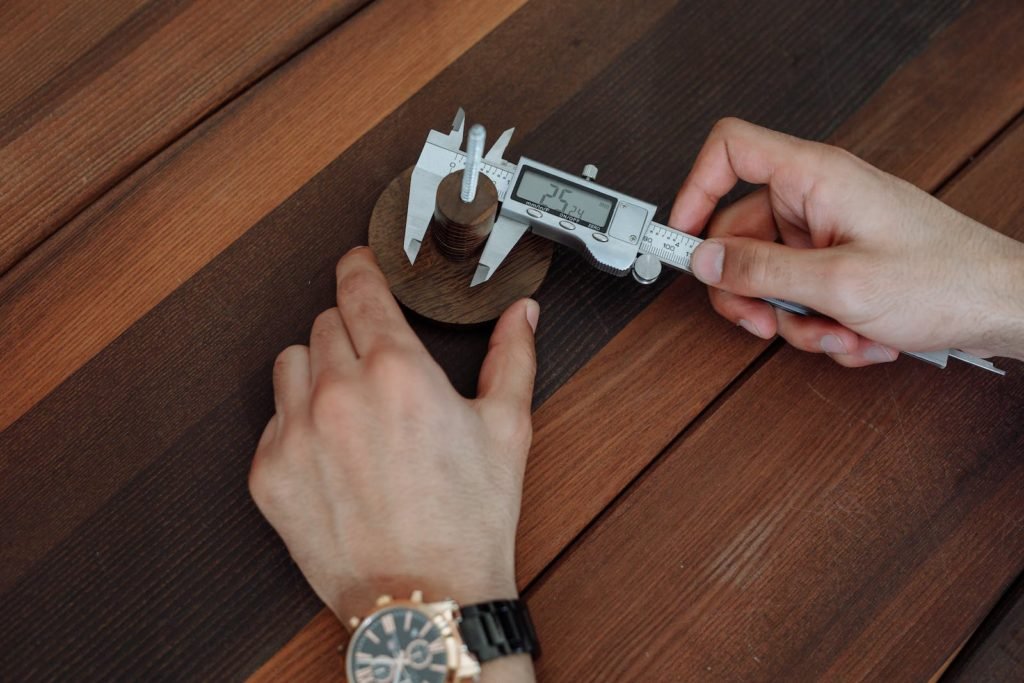
Calipers and rulers are like the masters of length in the dance of accuracy. They measure distances with precision, ensuring that the length of an object is accurately represented. Understanding how to use these tools enhances the accuracy of length measurements.
Thermometers: Capturing Temperature Nuances
Thermometers, the temperature artists, capture nuances in the dance. Understanding their sensitivity and calibration ensures accurate temperature measurements, vital in various industries, from cooking to scientific research.
Micrometers: The Precision Sculptors
Micrometers act as precision sculptors in the dance of accuracy. These tools measure thickness with unparalleled precision, sculpting the accuracy of measurements in fields where minute details matter.
Calibration: Tuning the Instruments for Harmony
Calibration is the tuning process that ensures the instruments are in harmony with the truth. Like tuning a musical instrument before a performance, calibrating measurement tools aligns them with accuracy, guaranteeing reliable results.
The Calibration Ritual: Ensuring Accuracy
The calibration ritual involves comparing measurements with a known standard to identify and correct any deviations. Regular calibration ensures that measurement tools stay true to the dance, maintaining accuracy throughout their use.
Ensuring Accuracy in Everyday Life: Practical Applications
Accuracy isn’t confined to laboratories; it influences our daily lives. From cooking to DIY projects, understanding and applying accuracy concepts enhance the quality of outcomes. Let’s explore some practical applications.
Cooking Precision: The Recipe for Success
In the kitchen, accuracy is the recipe for success. Precise measurements of ingredients ensure the desired taste and texture, transforming a dish from mediocre to culinary excellence. Precision in cooking is the secret ingredient that elevates the dining experience.
DIY Accuracy: Crafting with Precision
In the world of DIY projects, accuracy is the craftsman’s best friend. Whether measuring materials for a bookshelf or cutting fabric for a quilt, precise measurements ensure the result matches the envisioned masterpiece. The dance of accuracy extends to every corner of our creative endeavors.
Conclusion: Mastering the Dance of Accuracy
As we conclude our exploration, envision accuracy as the dance that weaves precision and truth into a seamless routine. Navigating the sources of error, understanding measurement tools, and embracing calibration are steps in mastering this dance, ensuring reliability in quality control.