
In the intricate world of quality control and process improvement, two dancers take center stage: Repeatability and Reproducibility. Imagine them as partners in a dance, ensuring that measurements are not only consistent when performed by the same individual (Repeatability) but also when executed by different dancers (Reproducibility). Join us on this dance floor of precision as we unravel the essence of these crucial concepts.
Setting the Stage: The Importance of Consistency
Before delving into the dance steps, let’s understand why consistency is vital. In quality control, the goal is to ensure that measurements are reliable and accurate. Consistency, performed by our dance partners, is the key to achieving this goal.
Repeatability: The Solo Performance
Repeatability is like a solo performance by a skilled dancer. It measures the ability of the same operator, using the same equipment, to obtain identical measurements when assessing the same characteristics. Think of it as a dancer executing the same routine flawlessly in multiple rehearsals.
Dance Steps of Repeatability: A Graceful Routine
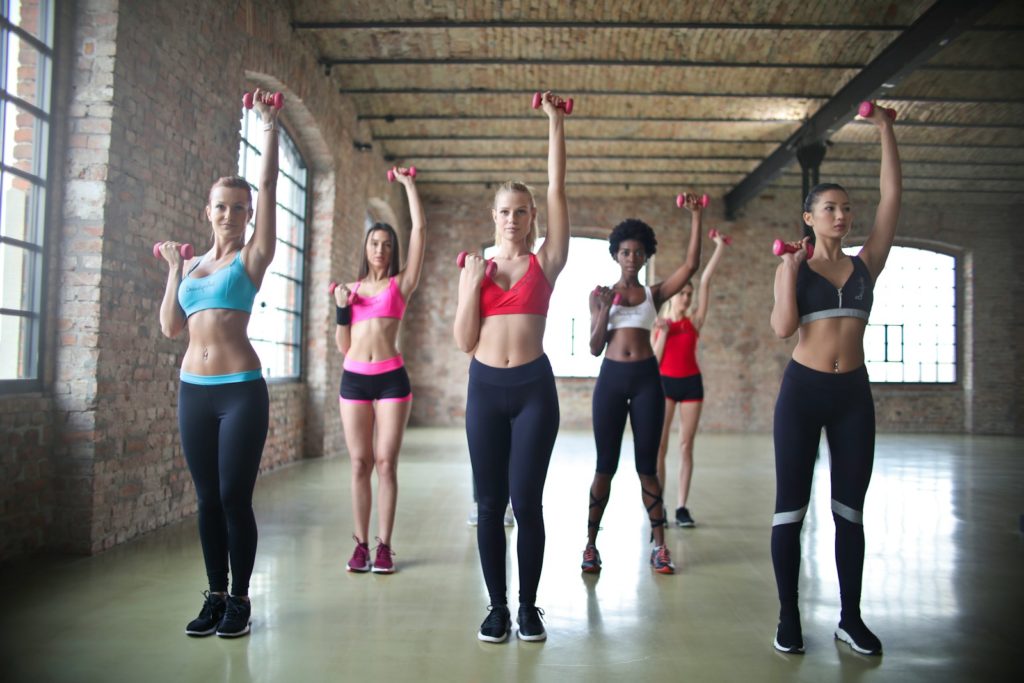
The dance steps of repeatability involve an operator performing measurements repeatedly. The aim is to determine how closely these measurements align. A low value indicates a tight and precise routine, whereas a high value suggests variability and inconsistency.
Reproducibility: The Partnered Choreography
Reproducibility, on the other hand, is the partnered choreography where different dancers (operators) aim to execute the same routine (measurement) consistently. It evaluates the variation in measurements when different operators, using the same equipment, assess the same characteristic.
Dance Partners in Reproducibility: Achieving Harmony
Reproducibility involves multiple operators performing the same measurements. The goal is to ensure that, like skilled dance partners, they achieve harmony in executing the routine. Low reproducibility values indicate that different dancers can perform the same routine consistently.
The Dance Floor: The Measurement System
Now, envision the dance floor as the measurement system. The stage is set with the chosen equipment and operators ready to perform. The dance floor needs to be conducive to both solo performances (repeatability) and partnered choreography (reproducibility).
Measurement Tools: The Props of Precision
Measurement tools are like the props used in the dance routine. They play a crucial role in ensuring that the routine is executed accurately. High-quality, calibrated tools contribute to both repeatability and reproducibility, creating a stage for precise performances.
The Duets: Interpreting the Results
Interpreting the results of the dance involves looking at the values obtained for repeatability and reproducibility. Low values signify tight performances, indicating a measurement system where operators can consistently achieve identical measurements.
Continuous Practice: Improving the Routine
Just like dancers continuously practice to improve their routines, the measurement system undergoes continuous improvement. Regular assessments of repeatability and reproducibility guide organizations in refining their processes and achieving higher levels of precision.
Conclusion: The Ballet of Quality
As we conclude our exploration, envision the dance of repeatability and reproducibility as a ballet of quality in the realm of measurement. By understanding and perfecting these dance steps, organizations can ensure that the precision of their measurements is a choreographed masterpiece.